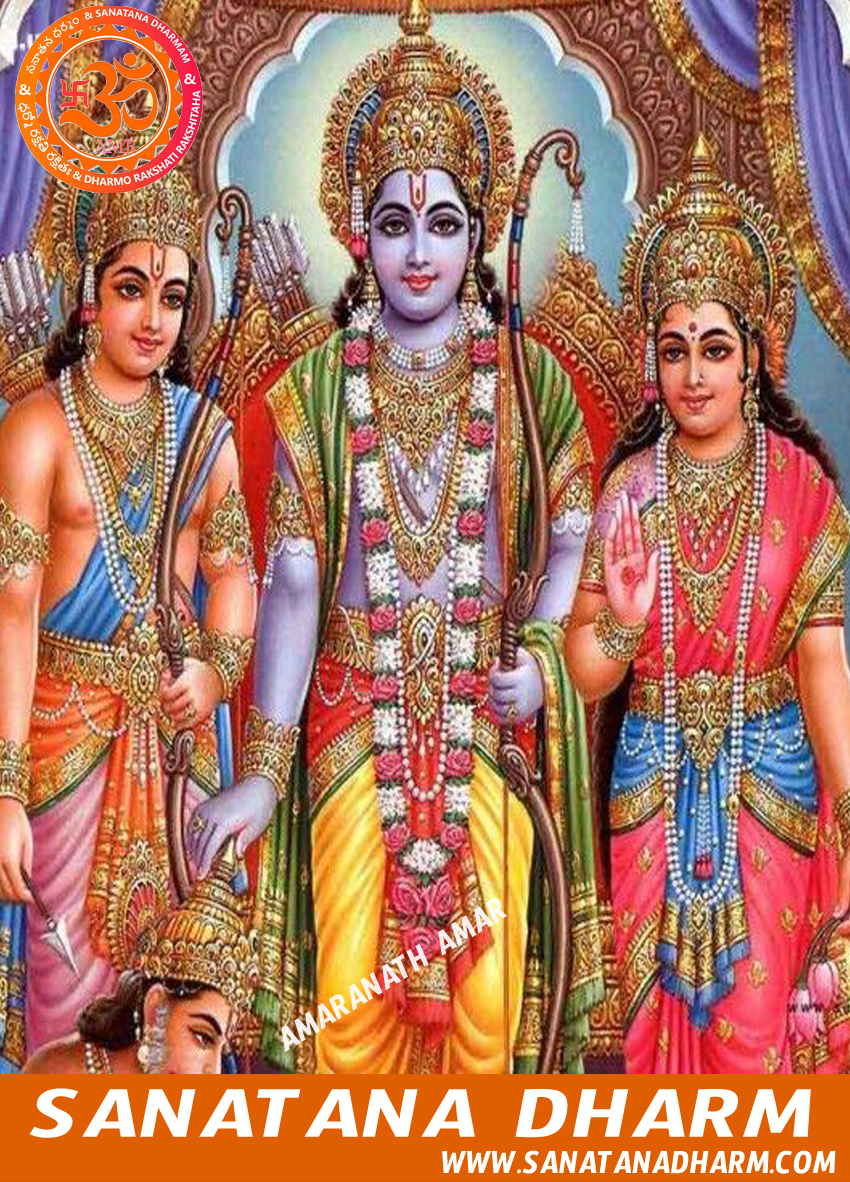
Bharatha, while going to his maternal uncle's house, has taken his brother Satrughna (he who has no sins and who annihilates his enemies) along with him with love.
भरत ने तब निष्पाप शत्रुघ्न को, जो नित्य शत्रुओं का नाश करने वाले थे, प्रेमपूर्वक अपने मामा के घर भेजा।
Ayodhya Kanda – Sarga 1 · v2
स तत्र न्यवसद्भ्रात्रा सह सत्कारसत्कृतः |
मातुलेनाश्वपतिना पुत्रस्नेहेन लालितः || २-१-२
Treated with good hospitality and paternal love by his maternal uncle, Yudhajit, who was a lord of cavalry, Bharatha stayed with his brother there.
वह वहाँ अपने भाई के साथ आदर-सत्कार से रहा। मामा अश्वपति ने उसे पुत्र के समान स्नेह से पाला।
Ayodhya Kanda – Sarga 1 · v3
तत्रापि निवसन्तौ तौ तर्प्यमाणौ च कामतः |
भ्रातरौ स्मरतां वीरौ वृद्धं दशरथं नृपम् || २-१-३
Those heroes of valour Bharatha and Satrughna, though staying there enjoying all the comforts, were remembering their age old father.
वन में रहते हुए भी, वे दोनों भाई, भरत और शत्रुघ्न, अपनी इच्छाओं को पूरा करते हुए, राजा दशरथ को स्मरण करते थे।
Ayodhya Kanda – Sarga 1 · v4
राजापि तौ महातेजाः सस्मार प्रोषितौ सुतौ |
उभौ भरतशत्रुघ्नौ महेन्द्रवरुणोपमौ || २-१-४
The mighty Dasaratha was also often remembering his sons Bharatha and Satrughna who were out of his state and who were equivalent to Indra and Varuna.
राजा दशरथ, जो अत्यंत तेजस्वी थे, अपने वन को गए हुए दोनों पुत्रों भरत और शत्रुघ्न को याद करने लगे। वे दोनों पुत्र इंद्र और वरुण के समान पराक्रमी थे।
Ayodhya Kanda – Sarga 1 · v5
सर्व एव तु तस्येष्टाश्चत्वारः पुरुषर्षभाः |
स्वशरीराद्विनिर्वृत्ताश्चत्वार इव बाहवः || २-१-५
Dasaratha was bestowing his equal love to all his four sons who were best among men, as though they were his four hands emerging out of his own body.
सभी चार पुरुष श्रेष्ठ उसके लिए प्रिय हैं, जैसे अपने शरीर से निकले हुए चार हाथ हों।
Ayodhya Kanda – Sarga 1 · v6
तेषामपि महातेजा रामो रतिकरः पितुः |
स्वयम्भूरिव भूतानां बभूव गुणवत्तरः || २-१-६
Rama, like the Brahma among all the living beings, the most virtuous among those brothers and the mightiest was a great source of joy for his father.
उनमें भी, अत्यंत तेजस्वी राम, जो पिता के प्रिय थे, ब्रह्मा के समान सभी प्राणियों में श्रेष्ठ गुणों वाले हुए।
Ayodhya Kanda – Sarga 1 · v7
स हि देवैरुदीर्णस्य रावणस्य वधार्थिभिः |
अर्थितो मानुषे लोके जज्ञे विष्णुः सनातनः || २-१-७
That Rama - was He not the eternal Vishnu who was born on earth as prayed by celestials to kill the egoistic Ravana?
यह श्लोक कहता है कि देवताओं के कहने पर, जिन्होंने रावण का वध करने की इच्छा की थी, वही सनातन विष्णु मनुष्य लोक में अवतरित हुए।
Ayodhya Kanda – Sarga 1 · v8
कौसल्या शुशुभे तेन पुत्रेणामिततेजसा |
यथा वरेण देवानामदितिर्वज्रपाणिना || २-१-८
Like Adithi by Indra, best among the celestials, Kausalya shone by her son Rama, the mighty.
कौसल्या उस अमित तेजस्वी पुत्र से वैसी ही सुशोभित हुईं, जैसी देवताओं की माँ अदिति वज्र धारण करने वाले इंद्र से हुईं।
Ayodhya Kanda – Sarga 1 · v9
स हि रूपोपपन्नश्च वीर्यवाननसूयकः |
भूमावनुपमः सूनुर्गुणैर्दशरथोपमः || २-१-९
Rama was beautiful in form, a hero of valor and without envy. By virtues, he was like Dasaratha. In this way, he was an incomparable son on earth.
वह दशरथ के समान गुणों वाले, रूपवान, बलवान और ईर्ष्या रहित पुत्र थे। वे पृथ्वी पर अनुपम थे।
Ayodhya Kanda – Sarga 1 · v10
स च नित्यं प्रशान्तात्मा मृदुपूर्वं तु भाषते |
उच्यमानोऽपि परुषं नोत्तरं प्रतिपद्यते || २-१-१०
That Rama was always peaceful in mind and spoke softly. He did not react even to the hard words spoken by others.
वह नित्य शांत चित्त वाला व्यक्ति कोमलता से बोलता है। कठोर वचन कहे जाने पर भी वह उत्तर नहीं देता।
Ayodhya Kanda – Sarga 1 · v11
कथञ्चिदुपकारेण कृतेनैकेन तुष्यति |
न स्मरत्यपकाराणां शतमप्यात्मवत्तया || २-१-११
That Rama, because of his good bent of mind, feels glad even by whatever way a good thing is done to him. He does not remember any number of bad things done to him.
एक छोटे से उपकार से भी वह प्रसन्न हो जाता है। अपने स्वभाव के कारण वह सौ अपकारों को भी याद नहीं रखता।
Whenever he finds some time even while practising archery, Rama used to converse with elderly people, elder by way of conduct or wisdom or age or with good- natured people.
सज्जन व्यक्ति सदा सदाचारी, ज्ञानी और वृद्धों के साथ बातचीत करते हैं, यहाँ तक कि जब वे किसी युद्ध या संघर्ष में व्यस्त न हों तब भी।
Ayodhya Kanda – Sarga 1 · v13
बुद्धिमान्मधुराभाषी पूर्वभाषी प्रियंवदः |
वीर्यवान्न च वीर्येण महता स्वेन विस्मितः || २-१-१३
Rama was a wise man. He used to speak sweetly. He was the first man to initiate a talk. His speech was compassionate. He was valorous. But he was not arrogant of his mighty valor.
बुद्धिमान, मधुर बोलने वाला, पहले बोलने वाला, प्रिय वचन कहने वाला, बलवान और अपने महान बल से विस्मित न होने वाला व्यक्ति ही श्रेष्ठ होता है।
He did not speak untruth. He was all knowing. He used to be receptive and worshipful to the elders. People used to love him and he used to love the people.
जो विद्वान झूठ नहीं बोलता, बड़ों का आदर करता है, और प्रजा से प्रेम करता है, प्रजा भी उससे प्रेम करती है।
He had compassion. He conquered anger. He used to be receptive and worshipful to the wise. He had mercy towards the meek. He knew what was to be done. He had always self-control. He was clean (in conduct).
यह श्लोक एक आदर्श व्यक्ति के गुणों का वर्णन करता है। अनुवाद: वह व्यक्ति जो दयालु है, जिसने क्रोध पर विजय प्राप्त कर ली है, जो ब्राह्मणों का आदर करता है, गरीबों पर दया करता है, धर्म को जानता है, हमेशा संयमित रहता है और पवित्र है, वह प्रशंसनीय है।
Ayodhya Kanda – Sarga 1 · v16
कुलोचितमतिः क्षात्रं धर्मं स्वं बहुमन्यते |
मन्यते परया कीर्त्या महत्स्वर्गफलं ततः || २-१-१६
That Rama, having an attitude suitable for his social rank, giving due respect to righteousness of warrior-class, believed that by following the righteousness he would attain great fame and through it the fruit of heaven.
कुल की मर्यादा को मानने वाला क्षत्रिय अपने धर्म का बहुत आदर करता है। वह इसे महान कीर्ति और स्वर्ग का फल मानता है।
Ayodhya Kanda – Sarga 1 · v17
नाश्रेयसि रतो विद्वान्न विरुद्धकथारुचिः |
उत्तरोत्तरयुक्तीनां वक्ता वाचस्पतिर्यथा || २-१-१७
Rama was not interested in actions, which were not beneficial. He was a scholar. He had no taste in tales opposing righteousness. Like vachaspathi, his eloquent speech contained a series of strategies for action.
विद्वान व्यक्ति किसी का आश्रय नहीं लेता और न ही विरुद्ध बातों में उसकी रुचि होती है, वह तो बृहस्पति की तरह उत्तरोत्तर युक्तियों का वक्ता होता है।
Ayodhya Kanda – Sarga 1 · v18
अरोगस्तरुणो वाग्मी वपुष्मान्देशकालवित् |
लोके पुरुषसारज्ञस्साधुरेको विनिर्मितः || २-१-१८
Rama was a young man without any disease. He was a good speaker. He had a good body. He knew both time and place. He could grasp the essence of men. He was the one gentleman born on earth.
यह श्लोक कहता है कि जो व्यक्ति निरोगी, युवा, वाक्पटु, सुगठित शरीर वाला, देश और काल का ज्ञाता, और लोगों के गुणों को पहचानने वाला हो, वही संसार में एक सच्चा और उत्तम मनुष्य है। ऐसा व्यक्ति दुर्लभ होता है।
Ayodhya Kanda – Sarga 1 · v19
स तु श्रेष्ठैर्गुणैर्युक्तः प्रजानां पार्थिवात्मजः |
बहिश्चर इव प्राणो बभूव गुणतः प्रियः || २-१-१९
People loved the virtuous prince Rama and treated him as their spirit moving outside.
वह राजा का पुत्र श्रेष्ठ गुणों से युक्त था, और अपने गुणों के कारण ऐसा प्रिय हो गया जैसे शरीर से बाहर निकला हुआ प्राण प्रिय होता है।
Ayodhya Kanda – Sarga 1 · v20
सम्यग्विद्याव्रतस्नातो यथावत्साङ्गवेदवित् |
इष्वस्त्रे च पितुः श्रेष्ठो बभूव भरताग्रजः || २-१-२०
After completing his education properly, Rama, after knowing the veda along with vedanga-s as prescribed, became better than his father in the use of bow and arrows.
भरत के ज्येष्ठ पुत्र, जिन्होंने अच्छी तरह से विद्या और व्रत का पालन किया था, सभी अंगों और वेदों के ज्ञाता थे, और धनुर्विद्या में अपने पिता से भी श्रेष्ठ थे।
Rama, having born in a good clan, was gentle minded. He was not feeble. He spoke truth. He was straightforward. He was properly trained by elderly brahmana-s those who knew righteousness.
यह श्लोक बताता है कि एक सज्जन व्यक्ति वह है जो अच्छे कुल में जन्मा हो, दीन न हो, सत्य बोलने वाला और सीधा हो, तथा धर्म और अर्थ को जानने वाले वृद्ध ब्राह्मणों द्वारा अच्छी शिक्षा प्राप्त की हो। ऐसे व्यक्ति का आचरण सदा कल्याणकारी होता है।
Ayodhya Kanda – Sarga 1 · v22
धर्मकामार्थतत्त्वज्ञः स्मृतिमान्प्रतिभानवान् |
लौकिके समयाचारे कृतकल्पो विशारदः || २-१-२२
Rama knew the real form of desire, wealth and righteousness. He had a good memory power. He had a spontaneous wisdom. He had skills in arranging customs useful to society prevalent at that time.
धर्म, काम और अर्थ के तत्त्वों को जानने वाला, स्मरण शक्ति और प्रतिभा से युक्त, सांसारिक व्यवहार और रीति-रिवाजों में कुशल तथा निपुण व्यक्ति।
Ayodhya Kanda – Sarga 1 · v23
निभृतः संवृताकारो गुप्तमन्त्रः सहायवान् |
अमोघक्रोधहर्षश्च त्यागसंयमकालवित् || २-१-२३
Rama was humble. He did not let his feelings appear outwardly. He kept his thoughts to himself. He helped others. His anger and pleasure were not wasteful. He knew when to give and when not to give.
यह श्लोक एक कुशल व्यक्ति के गुणों का वर्णन करता है। वह व्यक्ति जो शांत, गुप्त, सहायक, और सही समय पर क्रोध, हर्ष, त्याग और संयम करने वाला होता है, वह सफल होता है।
Ayodhya Kanda – Sarga 1 · v24
दृढभक्तिः स्थिरप्रज्ञो नासद्ग्राही न दुर्वचाः |
निस्तन्द्रिरप्रमत्तश्च स्वदोषपरदोषवित् || २-१-२४
Rama had a firm devotion and steadfast mind. He was not stubborn nor did he speak evil words. He was free from idleness and was ever alert. He recognized his own errors and those of others.
दृढ़ भक्ति वाला, स्थिर बुद्धि वाला, जो असत् (बुरी) बातों को नहीं पकड़ता, जो कटु वचन नहीं बोलता, जो आलस्य रहित और प्रमाद रहित है, और जो अपने तथा दूसरों के दोषों को जानता है, वह व्यक्ति श्रेष्ठ है।
Ayodhya Kanda – Sarga 1 · v25
शास्त्रज्ञश्च कृतज्ञश्च पुरुषान्तरकोविदः |
यः प्रग्रहानुग्रहयोर्यथान्यायं विचक्षणः || २-१-२५
Rama knew the theory and practice of sciences. He understood the differences among men. He could judiciously discriminate whom to protect and whom to punish.
यह श्लोक बताता है कि जो व्यक्ति शास्त्रों का ज्ञाता हो, उपकार को मानने वाला हो, दूसरों के स्वभाव को समझने वाला हो और उचित समय पर दंड देने या कृपा करने में कुशल हो, वह श्रेष्ठ पुरुष है। ऐसा व्यक्ति न्याय के अनुसार ही व्यवहार करता है।
Ayodhya Kanda – Sarga 1 · v26
सत्संग्रहप्रग्रहणे स्थानविन्निग्रहस्य च |
आयकर्मण्युपायज्ञः संदृष्टव्ययकर्मवित् || २-१-२६
He identified good men and protected them. He knew the people worthy of reprimand. He knew the ways and means of getting income as well as the system of spending, as perceived by economic sciences.
यहाँ श्लोक का सरल हिंदी अनुवाद दिया गया है: जो व्यक्ति अच्छी संगति को ग्रहण करने, अपने स्थान को ठीक से नियंत्रित करने, आय और व्यय के उपायों को जानने वाला और व्यय के कार्यों को समझने वाला होता है।
Ayodhya Kanda – Sarga 1 · v27
श्रैष्ठ्यं शास्त्रसमूहेषु प्राप्तो व्यामिश्रकेषु च |
अर्थधर्मौ च संगृह्य सुखतन्त्रो न चालसः || २-१-२७
Rama could obtain great skill in the groups of sciences along with their subsidiaries. He was interested in enjoying comforts only after understanding the economy and virtues. He never remained inactive.
यह श्लोक कहता है कि जो व्यक्ति शास्त्रों के समूह में श्रेष्ठता प्राप्त करता है, मिश्रित विषयों को भी समझता है, अर्थ और धर्म दोनों को साथ लेकर चलता है, और आलसी नहीं होता, वह सुखी रहता है।
Ayodhya Kanda – Sarga 1 · v28
वैहारिकाणां शिल्पानां विज्ञातार्थविभागवित् |
आरोहे विनये चैव युक्तो वारणवाजिनाम् || २-१-२८
Rama was acquainted with the fine arts useful for entertainment. He knew how to distribute the wealth. He was efficient in riding and also taming of elephants and horses.
यहाँ श्लोक का सरल हिंदी अनुवाद दिया गया है: जो लोग बाहरी गतिविधियों और शिल्पकला के जानकार हैं, वे हाथियों और घोड़ों को चढ़ने और नियंत्रित करने में कुशल होते हैं।
Ayodhya Kanda – Sarga 1 · v29
धनुर्वेदविदां श्रेष्ठो लोकेऽतिरथसम्मतः |
अभियाता प्रहर्ता च सेनानयविशारदः || २-१-२९
Rama was the best of persons knowing the science of archery in the world; and was well appreciated by the champions of archery. He attained skills in marshalling the army. He faced and killed the enemies in battle.
धनुर्विद्या के ज्ञाताओं में श्रेष्ठ, जो तीनों लोकों में महाबली माने जाते हैं, वे ही युद्ध में आक्रमण करने और प्रहार करने में निपुण तथा सेना के संचालन में कुशल होते हैं।
Ayodhya Kanda – Sarga 1 · v30
अप्रधृष्यश्च संग्रामे क्रुद्धैरपि सुरासुरैः |
अनसूयो जितक्रोधो न दृप्तो न च मत्सरी |
न चावमन्ता भूतानां न च कालवशानुगः || २-१-३०
Even enraged celestials and demons could not defeat Rama in battle. He had no jealousy. He conquered anger. He had no arrogance and envy. He had not even humiliated any living being. He had not surrendered to time.
यह श्लोक बताता है कि जो व्यक्ति युद्ध में देवताओं और असुरों द्वारा भी पराजित नहीं किया जा सकता, जो ईर्ष्या नहीं करता, जिसने क्रोध पर विजय प्राप्त कर ली है, जो अभिमानी या मत्सर से ग्रसित नहीं है, और जो किसी भी प्राणी का तिरस्कार नहीं करता, वह काल के वश में नहीं होता।
That Prince Rama, with these good virtues, was fair to the people. He was agreeable to the three worlds. By patience and the related virtues, he was equal to earth, by wisdom to Brihaspathi and by valor to Devendra.
यह श्लोक राजा के पुत्र के गुणों का वर्णन करता है। वह श्रेष्ठ गुणों से युक्त है, तीनों लोकों में सम्मानित है और पृथ्वी के समान क्षमाशील है। उसकी बुद्धि बृहस्पति के समान और वीरता इंद्र के समान है।
Ayodhya Kanda – Sarga 1 · v32
तथा सर्वप्रजाकान्तैः प्रीतिसञ्जननैः पितुः || २-१-३२
गुणैर्विरुरुचे रामो दीप्तः सूर्य इवांशुभिः |
Rama, by his virtues, was a source of happiness to all the people and a spring of joy to his father. As the sun shines with his rays, Rama was shining, thus, with his virtues.
यह श्लोक बताता है कि राम, प्रजा के प्रिय होने के कारण, अपने पिता के समान प्रेम उत्पन्न करने वाले गुणों से ऐसे सुशोभित हो रहे थे, जैसे सूर्य अपनी किरणों से दीप्त होता है।
Ayodhya Kanda – Sarga 1 · v33
तमेवं व्रत्तसंपन्नमप्रधृष्यपराक्रमम् || २-१-३३
लोकपालोपमं नाथमकामयत मेदिनी |
The earth wished Rama to be her Lord as he was adorned with self -control and norms of behavior bearing undefeatable valor equal to that of universal lords like Indra.
वह राजा, जो उत्तम व्रतों से युक्त और अजेय पराक्रम वाला था, पृथ्वी भी उसे अपने स्वामी के रूप में चाहती थी।
Ayodhya Kanda – Sarga 1 · v34
एतैस्तु बहुभिर्युक्तं गुणैरनुपमैः सुतम् || २-१-३४
दृष्ट्वा दशरथो राजा चक्रे चिन्तां परन्तपः |
Dasaratha, who annihilates enemies, started thinking as follows after observing his son with his many incomparable virtues.
दशरथ राजा ने अपने पुत्र को इन अनुपम गुणों से युक्त देखकर, शत्रुहंता होने के कारण, चिंता की।
Ayodhya Kanda – Sarga 1 · v35
अथ राज्ञो बभूवैवं वृद्धस्य चिरजीविनः || २-१-३५
प्रीतिरेषा कथं रामो राजा स्यान्मयि जीवति |
The long living and aged Dasaratha thought: "Will Rama become king while I am still alive? Shall I enjoy that happiness?"
यह वृद्ध और दीर्घायु राजा के मन में विचार आया कि जब तक मैं जीवित हूँ, तब तक राम राजा कैसे बन सकते हैं? यह विचार उसे बहुत प्रिय था।
A great loving thought was ringing in his mind that when he would be able to see his beloved son Rama crowned as a king.
यह श्लोक एक माँ की अपने पुत्र के प्रति गहरी प्रीति और उसे राज्याभिषेक के बाद देखने की तीव्र इच्छा को व्यक्त करता है। वह व्याकुलता से पूछती है कि वह अपने प्रिय पुत्र को कब देखेगी, जिसे राज्य का अभिषेक प्राप्त हुआ है।
Ayodhya Kanda – Sarga 1 · v37
वृद्धिकामो हि लोकस्य सर्वभूतानुकम्पनः || २-१-३७
मत्तः प्रियतरो लोके पर्जन्य इव वृष्टिमान् |
"Is not Rama, as a raining cloud to the earth, better liked by people than me, as he desires the development of the world and has compassion towards all living beings."
जो सभी प्राणियों पर दया करता है, वह संसार में वृद्धि चाहता है। वह संसार में वर्षा करने वाले मेघ के समान प्रिय है।
Ayodhya Kanda – Sarga 1 · v38
यमशक्रसमो वीर्ये बृहस्पतिसमो मतौ || २-१-३८
महीधरसमो धृत्यां मत्तश्च गुणवत्तरः |
"Rama is equal to Yama and Devendra in valor, to Brihaspati in wisdom and to a mountain in courage. He is more virtuous also than me."
यह श्लोक कहता है कि वह व्यक्ति पराक्रम में यमराज और इंद्र के समान, बुद्धि में बृहस्पति के समान, और धैर्य में पर्वतराज (हिमालय) के समान है। ऐसे गुणवान व्यक्ति को श्रेष्ठ माना जाता है।
Ayodhya Kanda – Sarga 1 · v39
महीमहमिमां कृत्स्नामधितिष्ठन्तमात्मजम् || २-१-३९
अनेन वयसा दृष्ट्वा यथा स्वर्गमवाप्नुयाम् |
"Shall I attain heaven, after seeing in this age, my son ruling the entire earth?"
इस पूरी पृथ्वी पर शासन करने वाले अपने पुत्र को देखकर, मैं इस अवस्था में भी स्वर्ग प्राप्त कर लूँगी।
Rama had many other virtues beyond hitherto stated virtues not to be seen in other kings. His virtues cannot be counted and they are the best in the world. Seeing that type of virtuous Rama, Dasaratha along with his ministers, decided to make Rama the prince.
इन विविध, अन्य राजाओं के लिए दुर्लभ, और अपरिमेय, अलौकिक गुणों से युक्त देखकर, राजा ने मंत्रियों के साथ मिलकर उसे युवराज के पद के लिए योग्य समझा।
Ayodhya Kanda – Sarga 1 · v41
दिव्यन्तरिक्षे भूमौ च घोरमुत्पातजं भयम् || २-१-४२
संचचक्षेऽथ मेधावी शरीरे चात्मनो जराम् |
The wise Dasaratha observed that there was sign of a great alarm being forecast because of bad omens found in earth heaven and the sky. He also told the ministers that his body was getting aged.
दिव्य, अंतरिक्ष और पृथ्वी पर भयानक उत्पात से उत्पन्न भय को देखकर, बुद्धिमान ने अपने शरीर में बुढ़ापा भी देखा।
Ayodhya Kanda – Sarga 1 · v42
पूर्णचन्द्राननस्याथ शोकापनुदमात्मनः || २-१-४३
लोके रामस्य बुबुधे सम्प्रियत्वं महात्मनः |
He recognized that if Rama were crowned as king, he would not have worries as Rama had beautiful face as a full moon; was a great wise man; and was liked by the people.
पूर्ण चन्द्र के समान मुख वाले महात्मा राम के दुखों को दूर करने वाले गुणों को जानकर, संसार में उनकी लोकप्रियता को समझा।
Ayodhya Kanda – Sarga 1 · v43
नानानगरवास्तव्यान् पृथग्जानपदानपि || २-१-४५
समानिनाय मेदिन्याः प्रधानान्पृथिवीपतीन् |
Dasaratha called for other kings and officers staying in various cities and villages in his kingdom separately.
यह श्लोक कहता है कि राजा ने विभिन्न नगरों और देशों के प्रमुख राजाओं को एक साथ बुलाया।
Ayodhya Kanda – Sarga 1 · v44
न तु केकयराजानं जनकं वा नराधिपः || २-१-४६
त्वरया चानयामास पश्चात्तौ श्रोष्यतः प्रियम् |
The hurried Dasaratha did not call for the king Kekaya, the maternal uncle of Bharatha or the King Janaka as he thought they both could hear the good news even afterwards.
राजा दशरथ ने केकयराज और जनक को तुरंत नहीं बुलाया, क्योंकि बाद में वे प्रिय समाचार सुनेंगे।
The king Dasaratha presented them suitably with houses and jewelry. Duly adorned himself, he looked after them in the manner Lord Brahma looks after his children.
राजा प्रजापति के समान अपनी प्रजा को आभूषणों से सुसज्जित और यथोचित रूप से सम्मानित देखकर प्रसन्न हुए।
Ayodhya Kanda – Sarga 1 · v46
अथोपविष्टे नृपतौ तस्मिन्परबलार्दने || २-१-४८
ततः प्रविविशुः शेषा राजानो लोकसम्मताः |
All the invited kings, duly liked by their people, entered the assembly after the king Dasaratha , who annihilates the opponent's army, occupied his seat.
जब वह राजा, जो शत्रुओं को पीड़ित करने वाला था, बैठ गया, तब अन्य प्रसिद्ध राजा भी वहाँ आ गए।
Ayodhya Kanda – Sarga 1 · v47
अथ राजवितीर्णेषु विविधेष्वासनेषु च || २-१-४९
राजानमेवाभिमुखा निषेदुर्नियता नृपाः |
The kings thus entered, occupied their various seats allotted to them by the king, by facing toward the king as per the prescribed rules.
राजा द्वारा दिए गए विभिन्न आसनों में से, राजाओं ने स्वयं को राजा के सम्मुख, नियंत्रित होकर बैठाया।
Ayodhya Kanda – Sarga 1 · v48
स लब्धमानैर्विनयान्वितैर्नृपैः |
पुरालयैर्जानपदैश्च मानवैः |
उपोपविष्टैर्नृपतिर्वृतो बभौ |
सहस्रचक्षुर्भगवानिवामरैः || २-१-५०
Surrounded by the respected and humble kings sitting closely to him as well as the important heads of cities and villages, king Dasaratha shone like lord Devendra surrounded by celestials.
यह श्लोक बताता है कि सम्मानित और विनम्र राजा, अपने दरबारियों और प्रजा के साथ मिलकर ऐसे सुशोभित हो रहे थे, जैसे इंद्र देवताओं से घिरे हुए हों। राजा अपने उपस्थित लोगों के बीच ऐसे विराजमान थे, मानो वे स्वयं इंद्र हों और चारों ओर देवता हों।